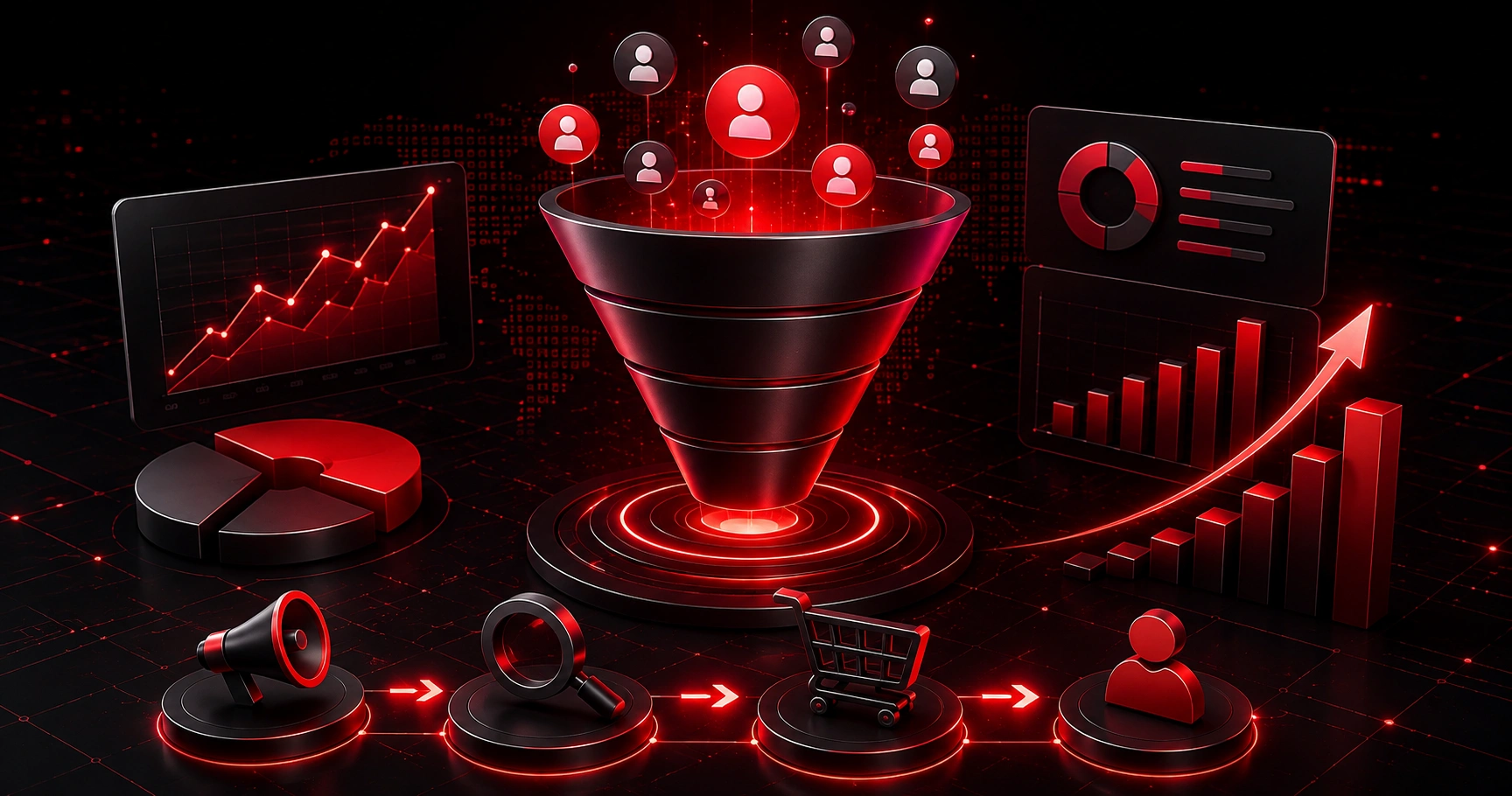
The Art of the Conversion Funnel: How to Turn Visitors into Loyal CustomersIn today’s competitive digital landscape, attracting website visitors is only half the battle. The real challenge lies in converting those visitors into paying customers and, ultimately, loyal brand advocates. This is where the conversion funnel becomes one of the most powerful tools in digital marketing.A well-designed conversion funnel guides potential customers through every stage of their buying journey, from discovering your brand to making a purchase and returning for future transactions. Businesses that continuously optimize their funnel often achieve higher conversion rates, lower customer acquisition costs, and greater long-term profitability.In this guide, we’ll explore the art of building and optimizing a conversion funnel that drives sustainable business growth.What Is a Conversion Funnel?A conversion funnel is a visual representation of the customer journey, illustrating the different stages prospects go through before completing a desired action, such as making a purchase, requesting a quote, or subscribing to a newsletter.The term “funnel” reflects the natural progression where a large number of visitors enter at the top, but only a portion complete the final conversion.A successful conversion funnel doesn’t simply generate sales—it creates meaningful customer experiences that build trust and encourage long-term relationships.Why Is a Conversion Funnel Important?Without a structured funnel, businesses often lose potential customers before they reach the checkout page.An optimized conversion funnel helps you:
Instead of relying solely on traffic generation, companies focus on improving every step that leads visitors toward conversion.The Four Main Stages of a Conversion Funnel1. AwarenessThe first stage focuses on attracting potential customers.People may discover your business through:
At this point, visitors are looking for information rather than products.Your objective is to educate, capture attention, and establish credibility.Best Practices
2. InterestOnce visitors know your brand, they begin evaluating whether your products or services meet their needs.This is where trust becomes essential.Helpful content during this phase includes:
The goal is to eliminate uncertainty and position your business as the best solution.3. DecisionThe decision stage is where visitors are ready to take action.Small details can make the difference between a completed purchase and an abandoned cart.Your website should provide:
Strong calls-to-action (CTAs) also play a critical role.Examples include:
4. ActionThe final stage occurs when the visitor completes the desired conversion.However, the customer journey doesn’t end here.Successful businesses continue nurturing customers through:
Retaining existing customers is often more cost-effective than acquiring new ones.Common Conversion Funnel MistakesEven businesses with significant website traffic often struggle because of simple optimization mistakes.Slow Website SpeedEvery extra second of loading time increases the likelihood that visitors will leave before exploring your site.Improve performance by:
Complicated Checkout ProcessLong forms and unnecessary steps create friction.Simplify the buying process by offering:
Weak Calls-to-ActionVisitors should immediately understand what action to take.Effective CTAs are:
Lack of Trust SignalsCustomers hesitate when they don’t trust a website.Build credibility with:
How to Optimize Every Stage of Your Conversion FunnelImprove User Experience (UX)A clean, intuitive website encourages visitors to continue their journey.Focus on:
Create High-Converting Landing PagesLanding pages should have one objective.Avoid distractions and include:
Use PersonalizationModern consumers expect personalized experiences.Examples include:
Personalization increases engagement and improves conversion rates.Reduce Cart AbandonmentMany shoppers leave before completing their purchase.Recover lost sales through:
Test and Improve ContinuouslyConversion optimization is an ongoing process.Regularly test:
A/B testing helps identify which variations deliver the best results.Measuring Conversion Funnel PerformanceTracking the right metrics is essential for continuous improvement.Important KPIs include:
Analytics tools such as Google Analytics, Microsoft Clarity, and heatmap software provide valuable insights into user behavior.The Future of Conversion FunnelsArtificial intelligence is transforming how businesses optimize their conversion funnels.AI-powered tools can:
Businesses that embrace AI-driven optimization can create more relevant experiences while increasing conversions and customer satisfaction.ConclusionA successful conversion funnel is much more than a marketing framework—it is the foundation of sustainable business growth. By understanding your customers’ journey and optimizing every interaction, you can transform casual visitors into loyal customers who return again and again.Rather than focusing solely on attracting more traffic, invest in improving the experience, reducing friction, and building trust throughout the funnel. Small, continuous improvements at each stage can lead to significant gains in conversions, revenue, and customer loyalty over time.Ready to Optimize Your Conversion Funnel?If your website attracts visitors but struggles to generate conversions, 2M Agency can help. Our team specializes in SEO, Conversion Rate Optimization (CRO), user experience (UX), and performance marketing to build conversion funnels that drive measurable business growth.Contact 2M Agency today to discover how we can turn more of your visitors into loyal customers.